Expert Brick Arch Restoration in Fort Worth and Surrounding DFW Areas
Brick arches are one of the most beautiful architectural features of a home. Whether framing a front entryway, accenting windows, or adding character to a covered porch, brick arches create timeless curb appeal and architectural distinction. But when cracks, shifting bricks, or deteriorating mortar begin to appear, these beautiful features can quickly become a source of concern.
At Lonestar Masonry Repair, we specialize in restoring damaged brickwork, including decorative and structural brick arches, helping homeowners throughout Fort Worth, Weatherford, Aledo, Arlington, and surrounding DFW communities preserve the beauty and integrity of their homes.
Why Do Brick Arches Crack or Separate?
Brick arches are designed to distribute weight through their curved structure. When properly constructed and supported, they can remain strong and beautiful for decades. However, North Texas homes face unique challenges that can affect masonry over time.
Our region’s expansive clay soils are especially problematic. As the ground expands during wet weather and contracts during prolonged dry periods, foundations can shift. Even relatively small movements can place stress on brickwork, particularly around windows, doorways, and decorative arches.
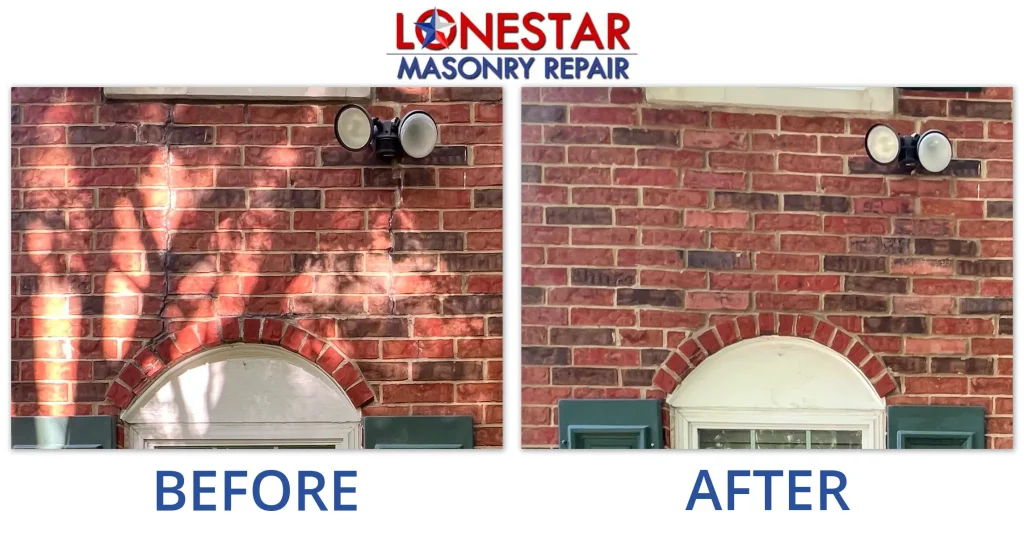
Temperature fluctuations, aging mortar, moisture intrusion, and improper construction can also contribute to deterioration. Over time, homeowners may notice cracks following the mortar joints, separation between bricks, or gaps forming where the arch meets the surrounding masonry.
What may initially appear to be a minor cosmetic issue can sometimes indicate movement or deterioration that deserves professional attention.
Signs Your Brick Arch May Need Repair
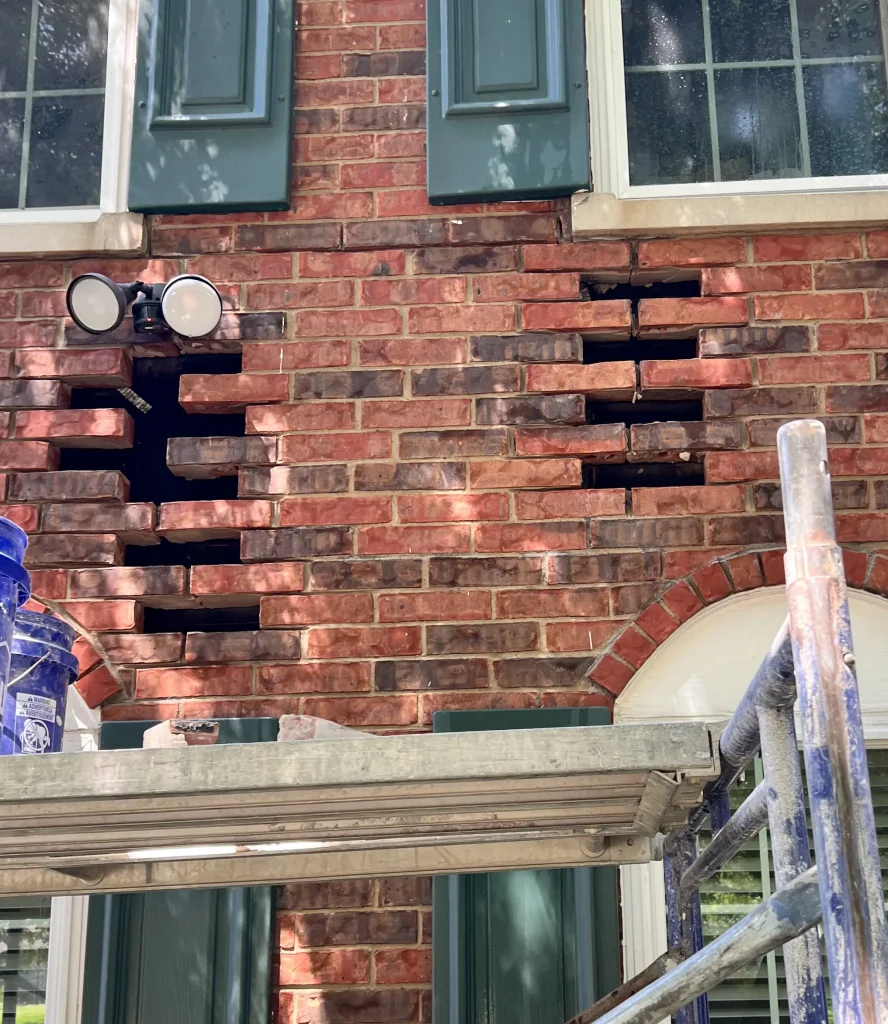
One of the most noticeable warning signs is cracking along the curved mortar joints of an arch. You may also see individual bricks beginning to separate, mortar crumbling or falling out, or visible gaps developing between the arch and adjacent brickwork.
In more serious situations, the arch may appear uneven, sagging, or displaced. These conditions should never be ignored, particularly when the brick arch supports masonry above a doorway, window, or entryway.
Water intrusion can make the problem worse. Once moisture enters damaged mortar joints, continued weather exposure can accelerate deterioration and compromise the surrounding brickwork.
Addressing these issues early may help prevent more extensive and expensive repairs.
Professional Brick Arch Repair Makes a Difference
Repairing a brick arch requires more than simply filling visible cracks with mortar. Because arches rely on the proper positioning and support of individual bricks, repairs must account for both appearance and structural performance.
At Lonestar Masonry Repair, we carefully evaluate the condition of damaged brickwork to determine the appropriate restoration approach.
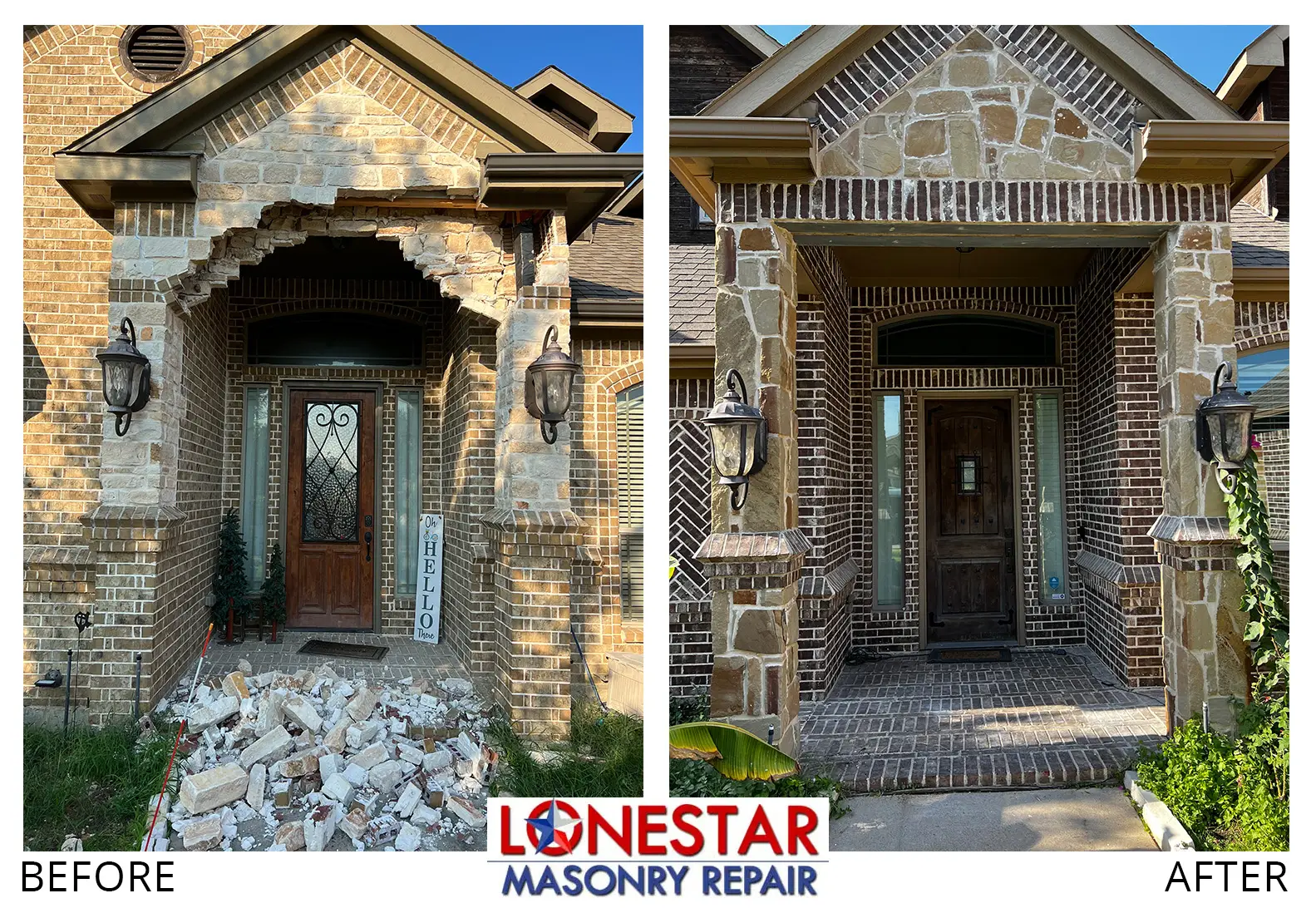
Depending on the damage, repairs may involve removing deteriorated mortar, repointing joints, replacing damaged bricks, or carefully rebuilding portions of the arch. When structural movement is suspected, the underlying cause must be evaluated before masonry repairs are completed.
Our goal is to restore the arch’s original appearance while helping ensure the repair is durable and appropriate for the existing masonry.
Matching the color, texture, and mortar finish of the surrounding brickwork is also important. A properly executed repair should complement the home’s architecture rather than draw attention to the damaged area.
Preserve Your Home’s Curb Appeal and Value
A beautiful brick arch can be a defining feature of your home’s exterior. Cracked or deteriorating masonry, however, can detract from that appearance and raise concerns about the condition of the property.
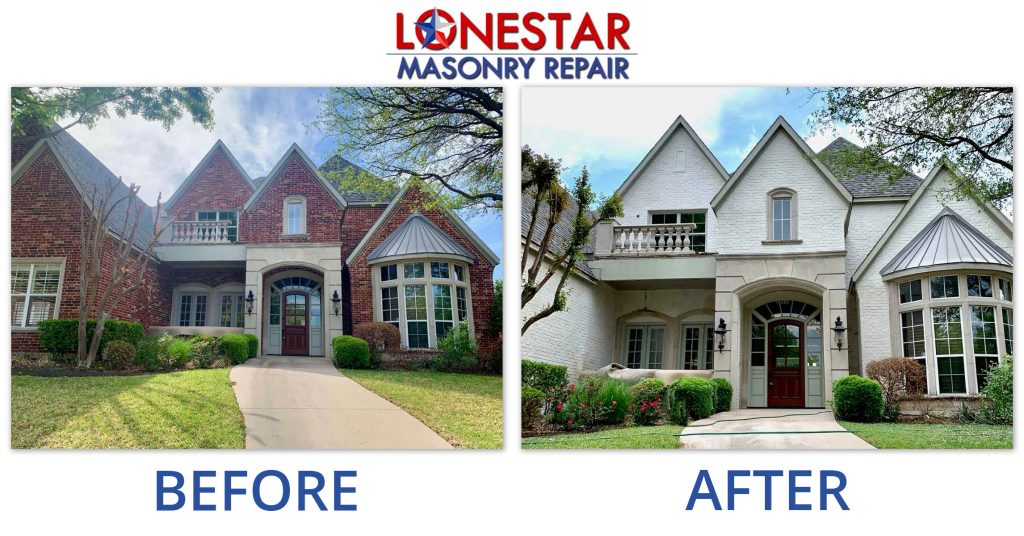
Professional masonry restoration can help preserve your home’s architectural character, improve its overall appearance, and protect your investment.
Whether your home features a grand arched entryway, decorative brickwork above windows, or traditional brick arches along a covered patio, maintaining these details is an important part of caring for your property.
Trusted Brick Arch Repair in Fort Worth and the DFW Area
North Texas weather and shifting soil conditions can be tough on masonry, but damaged brick arches don’t always require complete replacement.
At Lonestar Masonry Repair, we take pride in helping homeowners restore the distinctive brick features that make their homes beautiful. From minor mortar deterioration to more extensive brick arch restoration, we provide skilled masonry repair with attention to detail and lasting craftsmanship.
If you’ve noticed cracked mortar, separating bricks, or damage around the arches of your home, don’t wait for the problem to become more serious.
Contact Lonestar Masonry Repair today to discuss your brick arch repair needs.
Proudly serving Fort Worth, Weatherford, Aledo, Arlington, Crowley, Lake Worth, and surrounding Dallas–Fort Worth communities.
Lonestar Masonry Repair — Restoring Beauty. Preserving Strength.